Qria – All your feedback and reviews in one place. Analysed and understood by AI.
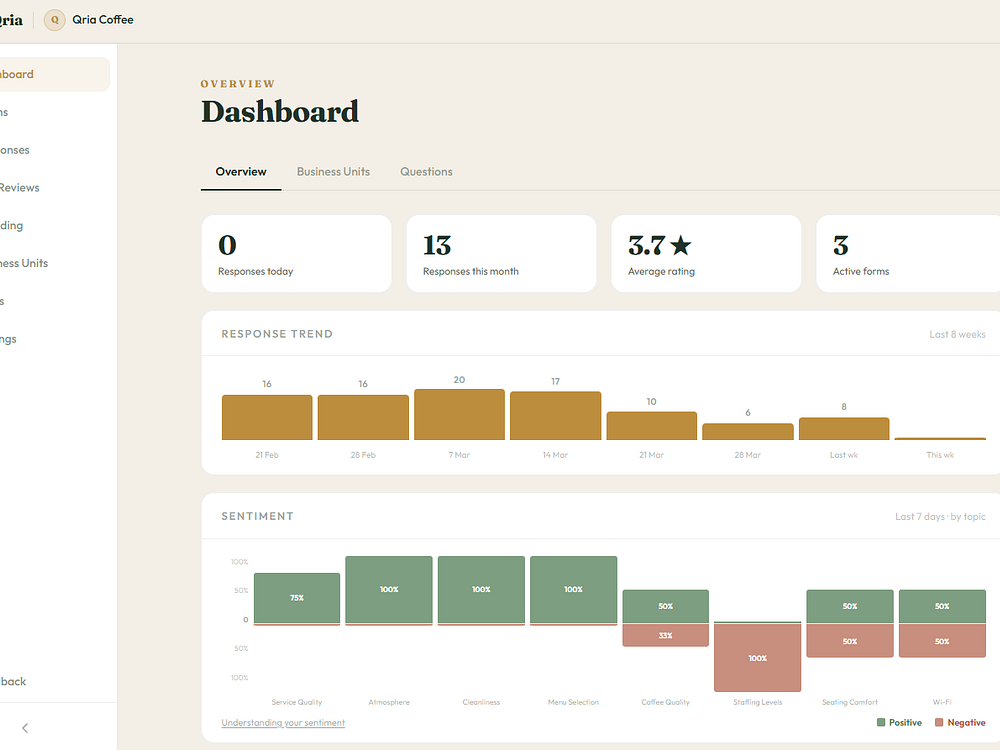
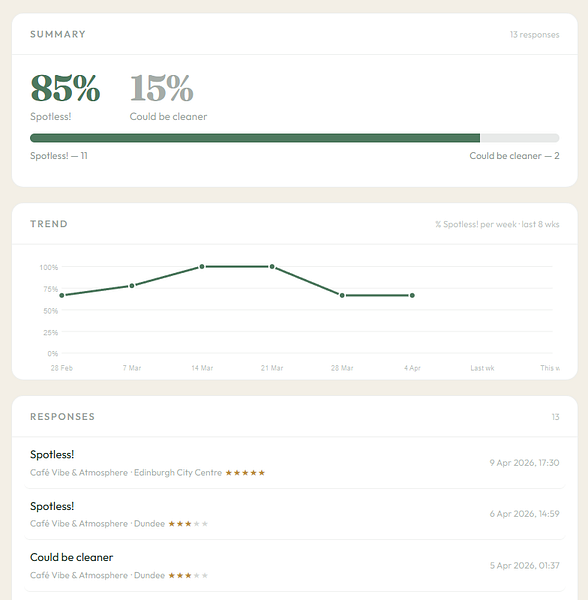
Qria – All your feedback and reviews in one place. Analysed and understood by AI.: You get a full dashboard with trends and graphs, an AI layer that reads...
Key takeaways
- Use this as a buyer-focused guide for ai tool reviews, not just a trend summary.
- Compare workflow fit, pricing risk, integrations, and alternatives before trying another tool.
- Use the evaluation criteria below to turn the article into a shortlist decision.
The answer depends on workflow fit, switching cost, pricing model, and whether the product creates a measurable improvement over current processes.
Stack fit verdict
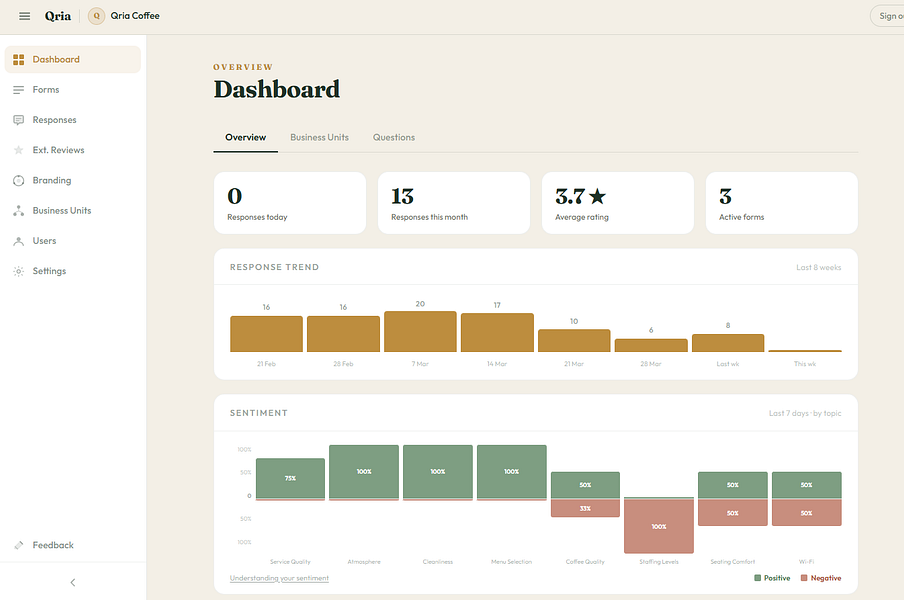
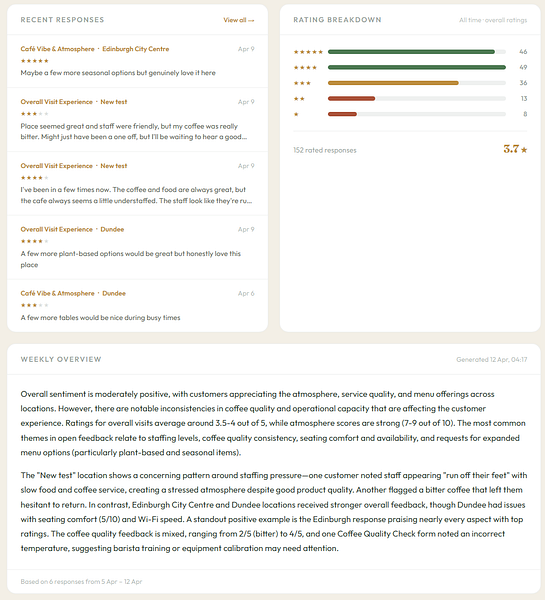
What to know: You get a full dashboard with trends and graphs, an AI layer that reads across responses and surfaces plain-language summaries, and a robust filtering system to help you make sense of the noise.
What the source highlights
- Key detail 1: You get a full dashboard with trends and graphs, an AI layer that reads across responses and surfaces plain-language summaries, and a robust filtering system to help you make sense of the noise.

Where it could fit
This type of product is most useful when it plugs into an existing workflow instead of forcing the team to rebuild everything around a new dashboard.
- Content operations: research, drafts, editing, publishing, or repurposing
- Revenue workflows: lead research, sales enablement, CRM updates, or customer follow-up
- Internal operations: reporting, documentation, knowledge management, or support triage
- Product teams: feedback analysis, prototyping, QA notes, or roadmap research
Decision matrix
| Decision factor | Better signal |
|---|---|
| Adoption | Users can understand the workflow in one session. |
| Integration | The tool connects to existing data and publishing paths. |
| Reliability | Outputs are repeatable enough for real work, not just demos. |
| ROI | The tool saves time or improves output every week. |
Compare before buying
Before paying, compare this option against a direct competitor, a bundled feature inside an existing platform, and the current manual workflow.
- Direct competitor: compare workflow depth and AI output quality
- Bundled feature: compare convenience and total cost
- Manual process: compare flexibility, review control, and actual time spent
Pricing watchouts
AI-heavy tools often shift costs into credits, usage limits, exports, storage, or premium integrations. Review the plan page against your expected weekly usage, not just the entry price.
Pros and cons
Pros
- Good fit for readers actively rationalizing their software stack
- Encourages comparison against existing tools, not just new launches
- Can surface a clear test case before a paid rollout
Cons
- May add tool sprawl if the workflow is not specific
- Some value claims depend on team adoption and data quality
- Pricing can look attractive before real usage volume is known
Final take
Use a trial or pilot before committing. If the tool improves one repeatable workflow and reduces friction in the current stack, it may deserve a shortlist spot. If not, compare alternatives or wait.
Evaluation criteria